

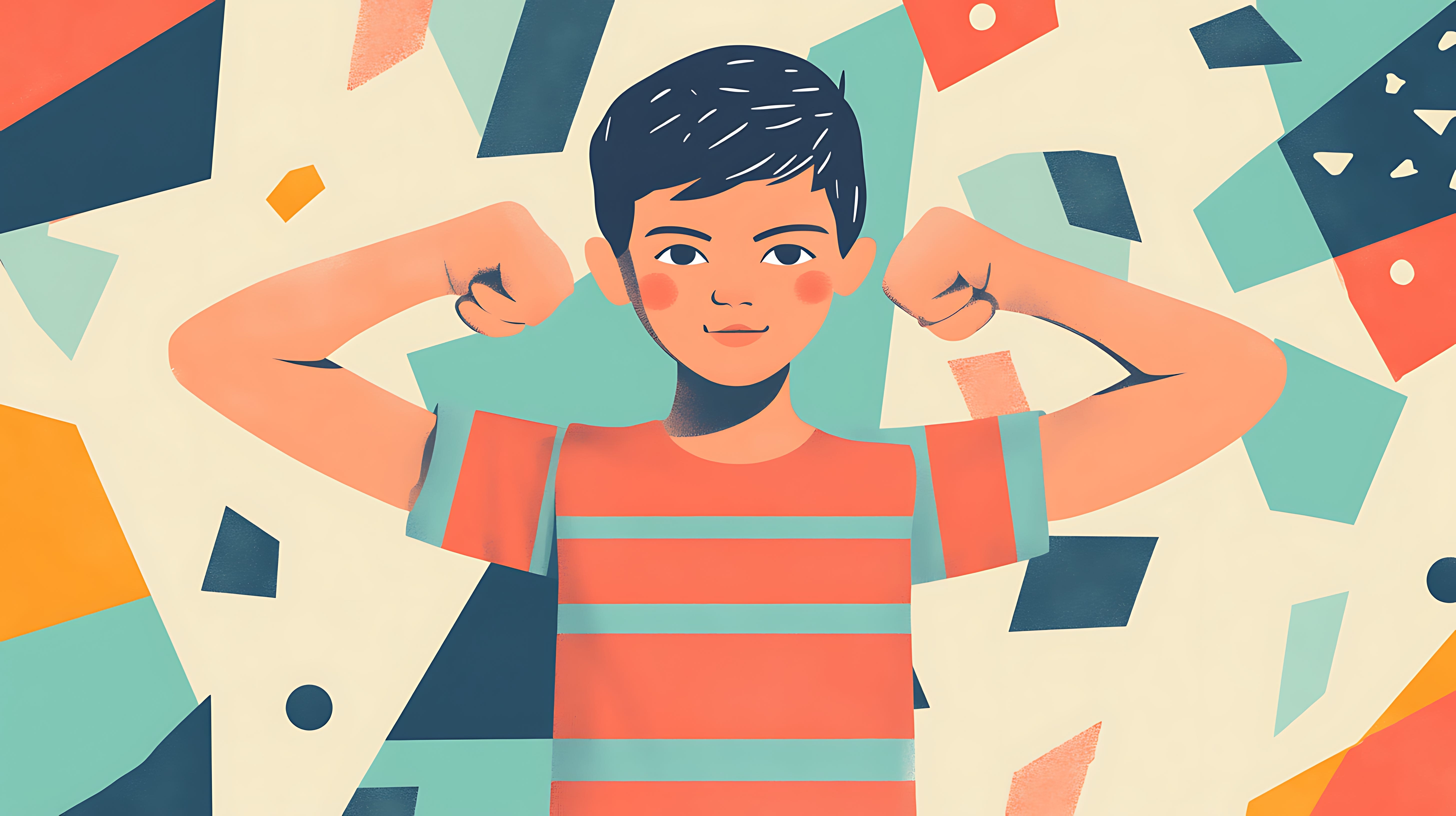
In a session the other day, I found myself wanting to protect my client—from themselves.
Their self-talk was relentless. Every word they said about themselves was harsh, unforgiving, and rooted in deep self-criticism.
They didn’t even notice it—it was their normal.
But I did.
And it felt like watching a video from their childhood:
➡️ The voice they used with themselves was identical to the one they heard growing up.
➡️ The beliefs they carried sounded like echoes from the past: "You're not good enough."
➡️ And worst of all—they believed it was true. Without question. As if no other version of reality could possibly exist.
Seeing the Inner Child
When I work with clients like this, I don’t just see the adult in front of me—I also see their Inner Child.
I see the 7-year-old version of them…
…the one who was spoken to harshly, made to feel small, overlooked, or dismissed.
…who internalized those words and carried them forward as truth.
And now, that same child is still being treated the same way—but by their adult self.
Why? Because it’s familiar.
Because it feels normal.
Because it’s all they’ve ever known.
But here’s the beautiful part: when a client starts to see this too—really see it—something shifts.
They begin to soften.
To question the old voice.
To become protective, even compassionate toward themselves.
That’s the beginning of Inner Child healing.
You Are Two: The Inner Child and the Adult Self
From this point forward, I invite you to think of yourself not as one single “self,” but as two parts working together:
Your Inner Child
Your Adult Self
Your Inner Child is the younger version of you—usually around age 7—who still carries the emotional residue of childhood.
He holds:
The false beliefs you absorbed when you were vulnerable
The unmet emotional needs that went ignored
The fears, doubts, and survival strategies you developed to cope
And until you begin to work with that part of you, he’s often the one driving your emotional reactions, relationships, and internal dialogue.
Then there’s your Adult Self:
The part of you that knows the truth
That sees the progress you’ve made
That recognizes your growth, worth, and potential
But here's the challenge: your Adult Self is often outnumbered and outvoiced by years of embedded Inner Child programming.
Your Adult Self sees:
“You’ve built so much.”
“You’re doing great.”
“You’re not that helpless kid anymore.”
But your Inner Child still whispers:
“It’s not enough.”
“You’re still failing.”
“You’ll never measure up.”
The Healing Begins When the Two Start Talking
Healing isn’t about “getting rid of” your Inner Child—it’s about building a relationship with them.
And that starts by: ✅ Noticing your triggered emotions in the present
✅ Naming them without judgment
✅ Getting curious about where they came from
Instead of reacting, ask:
👉 “What is this part of me trying to say?”
👉 “What does my Inner Child need right now?”
Your Adult Self can then respond:
“I hear you. You’re scared.”
“I see how that old fear is showing up here—but we’re not there anymore.”
“You’re not alone. I’ve got you.”
That’s the real work.
That’s how we shift from repeating old pain to reparenting ourselves with compassion.
Final Thoughts: Rewriting the Story
Your Inner Child may still say, “I don’t feel successful.”
But your Adult Self sees the truth:
The late nights you pushed through
The boundaries you finally set
The healing work you’re doing, even now, by reading this
You’ve accomplished so much.
Now it’s time for the part of you that doesn’t know that yet—the child who still doubts—to hear it from the only person who really matters now:
You.
Your Turn: What Does Your Inner Child Need to Hear?
💬 Take a moment. Close your eyes. Imagine your 7-year-old self sitting next to you.
What do they need to hear from you today?
Reply and let me know. I read every message.
📩 If this resonated, subscribe for weekly posts about emotional healing, relationships, and reconnecting with your Inner Child.
🚀 Want to go deeper? Check out my messaging therapy options here.